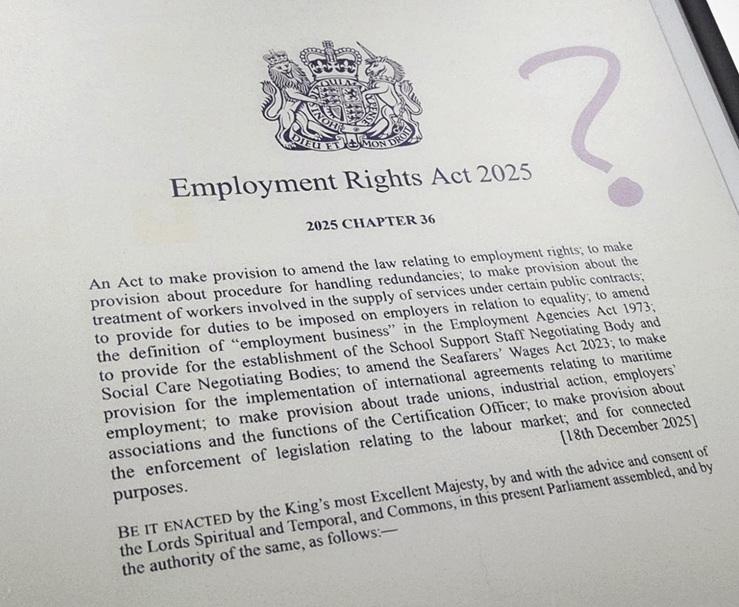
Employment Rights Act: How to Future Proof Your Business Growth in the New ERA
Summary: Key Changes in the Employment Rights Act (ERA)
The Employment Rights Act introduces major changes, including:
Statutory Sick Pay (SSP) to be eligible from the first day of illness
The qualifying period for unfair dismissal will reduce to six months
Employees will soon have six months to submit a tribunal claim
New and expanded rights for Trade Unions and their representatives
Are you concerned about the Employment Rights Act (ERA)? Many business leaders feel uneasy about the upcoming ERA changes, but the legislation also presents businesses with opportunities. Instead of focusing only on compliance, you can use the changes in the ERA to build a stronger culture and improve performance across your business. Think beyond compliance, to a new era of people excellence and business reward that will futureproof your business growth.
Your concerns can either slow your growth or create a foundation for a healthier and more productive workplace. Below are three common worries about the ERA and how each one can become an advantage. By focusing resources now on building a positive workplace culture many perceived disadvantages will be addressed at the same time.
Opportunity 1: Statutory Sick Pay - Managing Sickness Absence More Effectively
Sickness absence costs the UK economy an estimated annual cost of £85 billion, affecting productivity and financial stability across the UK. It is no wonder that introducing statutory sick pay from the first day of illness can feel like an added burden, especially for businesses that have experienced high levels of absence.
Mental ill-health remains a leading cause of work-related illness according to recent HSE data, along with musculoskeletal problems and common seasonal illnesses. Good management of these issues can produce significant benefits.
Understanding how to use your health and safety risk assessments and safety management systems to reduce sickness and mental ill-health risks, will safeguard your business from the impacts of sickness absence as you continue to grow. This shift encourages employers to act earlier and prevent issues before they escalate. With better, proactive wellbeing and safety practices, you can:
Reduce the number and length of sickness absences
Strengthen your workplace resilience and reduce the negative impact of work-related stress
Create the conditions for employees to contribute their best, leading to growth
Opportunity 2: Unfair Dismissal Rights at Six Months
Many employers worry that shortening the qualifying period for unfair dismissal protection to six months may increase the amount of tribunal claims they face, or limit their ability to deal with underperformance.
Recent surveys by the Federation of Small Businesses showed many business owners felt this change would prevent them from hiring new staff. This short-term thinking about recruitment and probation processes can set back business growth.
Instead of leaning on the qualifying period for performance management, businesses can build a culture where people feel able to contribute, understand expectations, receive support, and have opportunities to succeed.
This approach helps you have an edge and:
Attract stronger candidates
Reduce the costs of avoidable turnover
Improve consistency and fairness in performance management
Resolve issues early instead of letting them grow
This culture can take time to foster, but there are often small actions that employers are able to take immediately that are affordable.
Conflict Resolution Matters.
Extending the tribunal claim deadline from three months to six gives organisations more time to resolve concerns before an employee feels compelled (or would be likely advised) to instigate legal action.
This is important when the average award for unfair dismissal in 2025 was almost £14,000. Effective conflict management helps protect both your finances and your reputation.
Opportunity 3: Trade Union Rights and Collaboration
Trade Unions are sometimes viewed as a source of risk. In practice, they can support business growth when relationships are built on trust, shared aims, and open communication.
The ERA gives Equality Representatives rights to time off for union duties, allowing more space to support employees. With new requirements for Gender Pay Gap and menopause action plans, Equality Representatives can help organisations:
Improve the quality of employee personal data disclosure, enabling meaningful reporting
Design more effective inclusion strategies
Strengthen belonging and engagement, both indicators of high performing cultures
Building Constructive Relationships with Trade Unions
Early engagement sets the tone of relationships for the long term.
Voluntary recognition can give employers more stability and a meaningful joint commitment to resolving issues before they escalate
Positive ongoing communication reduced the liklihood of disputes
Investing in rebuilding strained relationships improves conflict resolution and collaboration
Trade Unions have unique status and position in industries, often seeing trends and risks before individual employers do, which can offer useful insights during periods of change. Learning how to positively engage with Trade Unions and interact effectively with Trade Union Representatives will increase your ability to maximise the benefits of working collaboratively with a Trade Union.
How to make the most of the ERA
To take advantage of the opportunities the ERA creates, businesses need to invest in their workplace culture. This can mean new investment, but also means refining different strands of work already in play, to amplify positive culture outcomes. Working from where you are now, and understanding what affordable changes will make a difference in the short term, medium term and longer term will align your investment in people and maximise your benefit now and in the future.
Contribute 100 offers a range of services to identify practical actions employers can take to take up the opportunities from the Employment Rights Act, minimise any vulnerabilities and help you grow your business with confidence. We start with assessing what will make the greatest difference for your business by taking simple, affordable steps you are able to start with right now. We work with your existing teams to amplify results and deepen commitments to a safer, more positive and innovative workplace culture, future proofing your growth potential.
Book a consultation today https://contribute100.co.uk/consultation